
Hot flashes, sleep struggles, mood swings, and brain fog can make midlife feel unpredictable. If you are in perimenopause or post-menopause and exploring options, you are not alone. Many women want symptom relief that is evidence-based and personalized, without overpromising or guesswork.
This is a timely moment to learn about women’s hormones and the care options available to you. If you live in Ada or Greater Grand Rapids, GenAge Center offers physician-directed evaluations in person and hybrid appointments by Zoom, so you can get answers and a plan that fits your goals.
Below, we explain what Hormone Replacement Therapy (HRT) is, the safest evidence-based approaches, how monitoring works, what HRT typically costs, and how to think about insurance. We also answer common questions so you can take your next step with clarity and confidence.
What HRT is and how it helps
Hormone Replacement Therapy (HRT) is the use of bioidentical estrogen and progesterone to relieve menopausal and perimenopausal symptoms and to support long-term health areas such as bone density. In perimenopause, hormones fluctuate; in menopause, estrogen declines and remains low. HRT can reduce vasomotor symptoms like hot flashes and night sweats, improve sleep quality, stabilize mood, ease vaginal dryness and discomfort with intimacy, and support bone health. Many women also notice improvements in energy and mental clarity.
Evidence-based options and how they differ
We will match the approach to your symptoms, medical history, and preferences. The most commonly used, guideline-supported options include:
- Transdermal estrogen: Estrogen delivered through the skin using patches, gels, or sprays. Transdermal routes avoid first-pass liver metabolism and are associated with a lower risk of blood clots compared with standard-dose oral estrogen. Patches are steady and convenient for many women.
- Oral estrogen: Effective for symptom relief, but it passes through the liver and can raise certain clotting factors. For women with higher cardiovascular or clot risk, transdermal estrogen is typically preferred.
- Progesterone options: Micronized progesterone taken orally at night is well tolerated and may support sleep in some women. It is often preferred over synthetic progestins for endometrial protection when using systemic estrogen. Dosing and timing are individualized.
- Vaginal therapies: Low-dose vaginal estrogen (creams, tablets, rings) or DHEA can directly treat genitourinary symptoms such as vaginal dryness, irritation, recurrent urinary discomfort, and pain with intercourse. These local therapies have minimal systemic absorption and can be used alone or alongside systemic HRT.
Pellets and compounded preparations can be discussed. At GenAge Center, we focus first on FDA-approved formulations with the strongest evidence for safety and efficacy. When considering any alternative route, we review data, quality, dose consistency, and monitoring needs before deciding together.
Safety considerations you should know
The right candidate, dose, and route are essential. Factors we review include age, time since menopause, personal and family history of breast cancer or blood clots, migraine patterns, blood pressure, metabolic health, and cardiovascular risk. In general:
- Transdermal estrogen combined with oral micronized progesterone is often considered a lower-risk systemic HRT strategy for many midlife women, particularly regarding clot risk.
- Low-dose vaginal estrogen is considered safe for most women and can often be used long term for local symptoms, with minimal systemic effects.
- Starting HRT within 10 years of menopause or before age 60 is associated with a more favorable risk-benefit balance for vasomotor symptoms and bone health. Later initiation can still be considered, but requires individualized assessment.
No therapy is risk free, and benefits and risks vary. Our approach is clinician-led, evidence-based, and personalized, with ongoing monitoring to keep therapy appropriate over time.
Monitoring cadence and what to expect
A structured plan helps you feel better while staying safe:
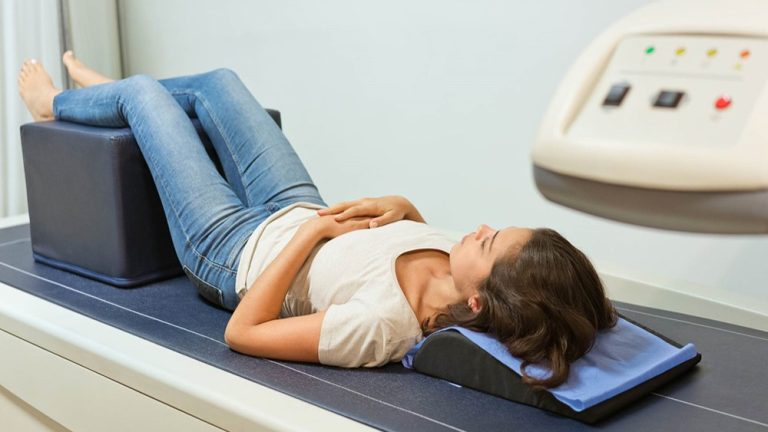
- Baseline: Symptom review, medical history, physical, and labs tailored to you. Baseline testing typically includes sex hormones, thyroid, metabolic markers, and other labs as indicated. Many women also benefit from a DEXA body composition and bone density scan to establish bone health and track lean mass.
- First recheck: 6 to 8 weeks after starting HRT or after a dose change. We reassess symptoms, side effects, and targeted labs to fine-tune the plan.
- Maintenance: Every 6 to 12 months, with earlier visits if symptoms change. We update labs as indicated, revisit goals, and monitor breast, bone, and cardiometabolic health over time.
At GenAge Center, the Hormone Baseline can simplify your start. The Baseline includes a consult, a comprehensive blood and hormone panel, a DEXA scan, and a personalized follow-up. This can offset the upfront cost of getting your data in one coordinated step. For details about body composition and bone density testing, you can learn more about DEXA scanning on our site.
What HRT costs and how insurance factors in
HRT costs vary by medication, dose, and pharmacy. Typical monthly ranges for commonly used options are:
- Transdermal estradiol patches or gel: roughly $20 to $100 per month, depending on brand, dose, and insurance.
- Oral micronized progesterone: roughly $10 to $50 per month.
- Low-dose vaginal estrogen or DHEA: roughly $30 to $120 per month, depending on product and frequency of use.
- Periodic labs and follow-ups: costs vary by panel and setting. Using bundled baseline testing can help you budget and reduce piecemeal charges.
Does insurance pay for hormone replacement therapy? Many commercial plans cover standard FDA-approved prescriptions, sometimes requiring prior authorization or a trial of a generic. Coverage for labs and visits can vary by plan and network status. The GenAge Center is a cash pay and we encourage you to check your pharmacy and medical benefits before starting.
How long women typically stay on Hormone Replacement Therapy (HRT)
There is no single expiration date for HRT. Duration depends on your symptoms, risk profile, and preferences. Many women use systemic HRT for several years to manage vasomotor symptoms, then reassess the lowest effective dose and route. We revisit the balance of benefits and risks at least annually and make shared decisions without hard cutoffs.
Does HRT work for perimenopause?
Yes, many perimenopausal women benefit from HRT, especially those with troublesome hot flashes, sleep disturbance, mood changes, or cycle-related symptom spikes. Because hormones fluctuate in perimenopause, dosing may need periodic adjustments. Non-hormonal strategies, sleep and stress support, and nutrition can all play useful roles alongside HRT.
If you want objective data on bone density and body composition as part of your decision-making, consider scheduling a DEXA scan. It can clarify baselines for lean mass and bone health, which are influenced by estrogen status.
Getting care in Ada and Greater Grand Rapids
The GenAge Center is a physician-directed clinic in Ada serving the Greater Grand Rapids area with in-person and hybrid care. If you are comparing options for women’s hormone therapy in Grand Rapids or you want to discuss a personalized plan, schedule a consultation. We will review your symptoms, medical history, baseline labs, and create a tailored plan that fits your goals and lifestyle.
To learn how DEXA can guide hormone and bone decisions, explore our page on DEXA body composition.
FAQ: quick answers to common questions
- What is the average cost of HRT? Most women spend between $20 and $120 per month on medications, depending on brand, dose, and route, plus periodic labs and follow-ups. Your total cost can vary.
- Does insurance pay for HRT? Many plans cover standard FDA-approved prescriptions. Coverage for visits and labs varies. Check your benefits since we cannot guarantee coverage.
- What is the safest form of HRT? Safety depends on your history, but transdermal estrogen combined with oral micronized progesterone is often considered a lower-risk systemic approach. Low-dose vaginal estrogen is considered very safe for local symptoms with minimal systemic absorption.
- How long can a woman stay on bioidentical hormones? Duration is individualized. Many women use systemic HRT for several years and reassess annually; local vaginal therapies are often used longer. We aim for the lowest effective dose and review risks and benefits each year.
- Does HRT work for perimenopause? Yes. HRT can help with hot flashes, sleep, mood, and cycle-related symptoms in perimenopause; dosing may need adjustments as hormones fluctuate.
Summary and next step
HRT can be a safe, effective path to relief in perimenopause and menopause when it is tailored to you and monitored over time. The most evidence-supported options include transdermal estrogen, oral micronized progesterone, and low-dose vaginal therapies. Expect a baseline workup, an 6 to 8 week recheck, and maintenance visits every 6 to 12 months once your are optimized. Costs vary by medication and testing, and insurance coverage differs by plan.
If you are in Ada or the Greater Grand Rapids area, schedule a consultation to review your options to streamline your first steps. In-person and hybrid visits are available so you can move forward with clarity and support.