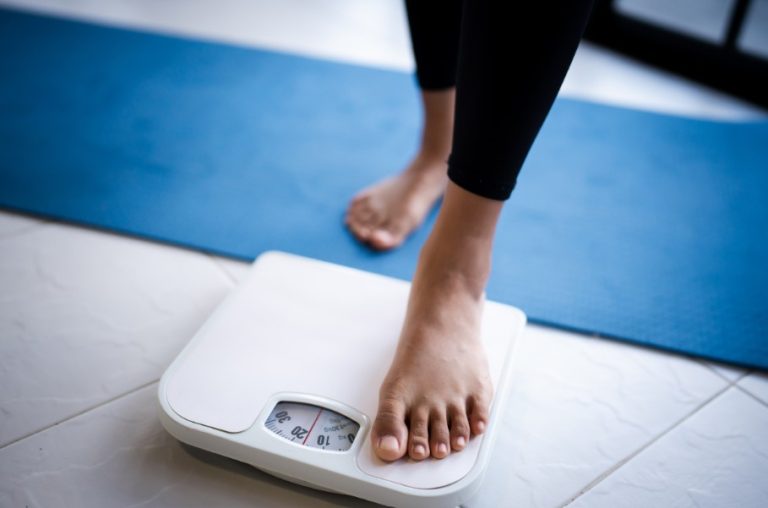

If you are trying to lose fat, gain muscle, or improve performance, guessing slows you down. A bathroom scale cannot tell you whether the change came from fat, muscle, or water. Heart-rate estimates and calorie calculators are often off by hundreds of calories per day. That noise turns into stalled progress and frustration.
There is a cleaner way. At the GenAge Center in Ada, we pair DEXA body composition, Resting Metabolic Rate (RMR), and VO2 testing to give you objective data you can act on. The result is a plan that matches your body, not an online average.
Now is a timely moment to get your baseline, especially if you are entering a new training block or ready to make nutrition changes. Local residents in the Greater Grand Rapids area can schedule a scan and testing bundle close to home, call the GenAge Center and start getting the answers you’ve been waiting for at 616-737-1710.
Why DEXA is the gold standard for body composition
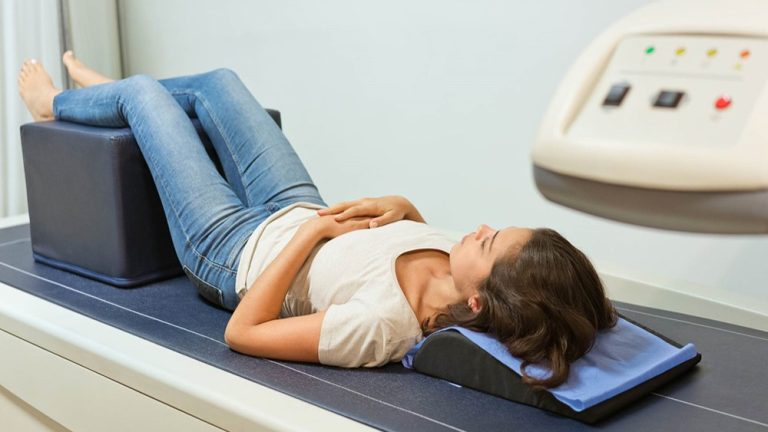
DEXA uses very low-dose X-rays to directly measure three essentials: body fat, lean mass, and bone mineral density. It also estimates visceral fat and shows regional changes, like how your legs or trunk are responding to training, because DEXA measures rather than guesses from electrical resistance or scale algorithms, it is far less sensitive to hydration swings and day-to-day timing.
This precision matters. If the scale says you are down 10 pounds, DEXA can tell you whether that was 7 pounds of fat and 3 pounds of lean tissue, or a different mix. Those details guide protein targets, strength programming, and conditioning choices so you keep muscle while reducing fat. This is exactly how we use DEXA at GenAge Center to set individualized protein ranges and right-size training volume.
If you are nearby and want the most accurate read, see our page for DEXA Scan Grand Rapids for details on what the scan shows and how to book.
Logistics you are wondering about
- Do you get weighed at a DEXA scan? Yes. We record your body weight as part of the intake because it supports accurate interpretation and trend analysis.
- Does diet affect a DEXA result? Not the way a handheld device does, but your recent intake and hydration can shift readings at the margins. That is why we coach consistency. For most people, scanning in a similar state each time is more important than a specific rule like strict fasting.
- Fasting vs. fed for consistency. Choose a repeatable approach. We often suggest morning scans, bladder emptied, similar hydration, and either lightly fasted or the same simple snack each time. Consistency tightens the comparison.
- What to wear and how long it takes. Wear comfortable clothing free of metal. Body composition scans typically take 10 to 15 minutes, and the process is noninvasive and quick.
How to compare DEXA scans the right way
Think in 8 to 12 week blocks. That window is long enough to see meaningful fat-to-lean changes, but short enough to adjust your plan before small problems become big ones. When you compare scans, look at:
- Total fat mass change vs. total lean mass change
- Regional lean mass (legs, arms, trunk) if you changed your training split
- Visceral fat estimate, which relates to cardiometabolic risk
- Bone density if you are tracking bone health
At GenAge Center, we translate those deltas into actions. For example, if lean mass dipped while fat dropped, we will increase protein, add a bit of progressive overload to your lifts, and steady conditioning intensity. If visceral fat is stubborn, we will revisit sleep, recovery, fiber intake, and zone 2 time.
RMR and VO2 complete the picture
- RMR tells you how many calories you burn at rest. Online equations can be off by 10 to 20 percent. A measured RMR helps you set a smarter calorie target and align protein, carbs, and fats to your goal. It also shows how weight loss, illness, or overtraining may have changed your metabolism.
- VO2 testing maps your cardiorespiratory fitness and training zones. You will leave knowing the heart-rate ranges for easy, tempo, and interval work so you stop training in the gray zone and start progressing again.
Together with DEXA, RMR guides daily fueling and protein targets, and VO2 guides intensity and weekly training volume. This is how we remove guesswork for both weight-management seekers and recreational athletes.
If you are building a performance or recovery block, explore our athlete performance programs in Grand Rapids to see how VO2 and body composition data shape training.
Sample progress-tracking cadence
Here are practical, clinician-checked rhythms we use with clients. They are starting points, and your ideal cadence can vary based on training age, schedule, and medical needs.
- Fat loss phase, 12 to 24 weeks
- DEXA: every 8 to 12 weeks to confirm fat loss while preserving lean mass
- RMR: baseline, then again after 12 to 16 weeks or if weight-loss pace stalls
- VO2: baseline if you will use heart-rate zones for conditioning, then again after a training block
- Muscle gain phase, 16 to 24 weeks
- DEXA: every 12 weeks to assess lean accrual and manage fat creep
- RMR: baseline to set a slight surplus without overshooting, then reassess at 16 to 20 weeks
- VO2: optional, helpful if you keep endurance work in the plan
We also run micro check-ins. Every 2 to 4 weeks, review scale trend, training logs, and how clothes fit. The scan is your truth check, the small check-ins keep momentum.
How GenAge Center turns numbers into a plan
Your data does not sit in a portal. We connect it to clear next steps:
- Protein target: set from lean mass and goal, usually expressed as grams per day and per meal
- Strength training volume: adjust sets, reps, and frequency to drive progress without overshooting recovery
- Conditioning zones: use VO2 results to anchor easy, tempo, and interval days
- Calorie and macro range: set from RMR and activity level, then refined by weekly response
- Recovery practices: sleep timing, stress strategies, and practical nutrition that fit your life
If you prefer a single, structured start, consider the Healthy Weight & Metabolic Baseline, which bundles consult, DEXA, RMR, and labs so you have one clear picture and a step-by-step plan. You can also book a DEXA + RMR bundle if you want the core body composition and metabolism data first.
Frequently asked questions
- What is the most accurate test for body composition? For practical, repeatable body composition tracking, DEXA is widely regarded as the gold standard. It directly measures fat and lean tissue and also reports bone mineral density and visceral fat estimates.
- Can diet affect my DEXA scan score? A single meal will not swing results the way bioimpedance does, but recent food and fluid can modestly influence readings. Use the same fasting or fed routine each time so your comparisons reflect real body change, not meal timing.
- Do you get weighed at a DEXA scan? Yes. Body weight is recorded and used with your scan to interpret changes accurately.
- Is a DEXA scan worth the money? If you are serious about preserving muscle while losing fat or want objective proof your training is working, most people find DEXA worth it. It prevents weeks of guesswork by showing exactly what changed. Local pricing varies. At GenAge, current promotional and bundle options can improve value, so call for details.
- How often should you get a DEXA scan? During active change, every 8 to 12 weeks is common. For maintenance or bone health monitoring, once or twice per year works well.
Local note and next steps
If you live in Ada, East Grand Rapids, Forest Hills, or the Greater Grand Rapids area, you can schedule DEXA body composition and pair it with RMR at GenAge Center. To get started, book the DEXA + RMR bundle or the Healthy Weight & Metabolic Baseline. For details on scanning in the region, see our page on DEXA body composition scans in Grand Rapids. If weight management support is your priority, our physician-directed programs and nutrition services in Grand Rapids can help you turn data into daily action.
Summary: Better data beats guesswork. Use DEXA to see fat, lean, and bone. Use RMR to set calories and protein. Use VO2 to train in the right zones. Recheck every 8 to 12 weeks, adjust, and keep moving forward. When you are ready, call 616-737-1710 or visit GenAgeCenter.com to schedule your baseline.