
Low energy, slower recovery, and a declining libido can be frustrating, especially when getting more sleep or pushing harder in the gym no longer makes a difference. If you are wondering whether Testosterone Replacement Therapy (TRT) could help, the best next step is a clear, physician-directed plan that starts with testing and ends with measurable outcomes.
This guide explains how low testosterone is diagnosed, how shared decision-making works, what safe monitoring looks like, and what kind of results to expect over time. You will also find a transparent look at costs and insurance variables, common myths, and when TRT is not appropriate.
At the GenAge Center in Ada, we pair hormone care with objective metrics like DEXA scanning, Resting Metabolic Rate (RMR). and VO2 testing.
DEXA Body Composition Testing
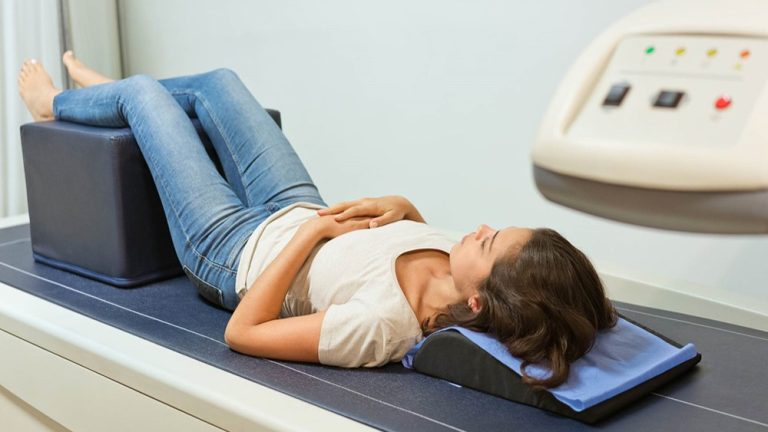
One of the most precise ways to understand what is happening beneath the surface, a DEXA scan evaluates body composition, visceral fat, lean muscle mass, and bone density to provide a more complete picture of your health than weight or BMI alone.
The DEXA Body Composition Scan uses low-dose X-ray technology to measure how your body is composed, including the amount and distribution of fat, muscle, and bone. During the scan, you will lie comfortably on a padded table while the scanner passes over your body. The test is noninvasive, typically takes about 10 to 15 minutes, and provides detailed data that can be used to guide weight management, strength training, longevity, and preventive health strategies.
What you’ll learn:
- Your total body fat percentage
- Your lean muscle mass and regional muscle distribution
- Your visceral fat level
- Your bone mineral density
- Muscle and fat balance in different areas of the body
- Data to personalize your nutrition, exercise, and healthy aging plan
The Resting Metabolic Rate (RMR)
This test measures how many calories your body burns at complete rest to support essential functions like breathing, circulation, and organ function. Using the VO₂ Master metabolic analyzer, you’ll wear a comfortable mask while resting quietly for approximately 10–15 minutes. The test analyzes your oxygen consumption and carbon dioxide production to determine your true daily calorie needs. These results help create a personalized nutrition plan for weight loss, muscle gain, or long-term metabolic health.
What you’ll learn:
- Your resting calorie burn (RMR)
- Personalized daily calorie needs
- Insights to optimize nutrition and metabolism
- Data to support healthy weight management and performance )
VO2 testing
One of the strongest predictors of longevity, this test evaluates your cardiovascular fitness and aerobic capacity to better understand how efficiently your body utilizes oxygen during exercise.
The VO₂ Max Test measures your body’s ability to take in, transport, and utilize oxygen during exercise, making it one of the most accurate indicators of cardiovascular fitness and endurance. Using the VO₂ Master metabolic analyzer, you’ll wear a comfortable mask while exercising on a treadmill or stationary bike as the intensity gradually increases. The test typically lasts 8–15 minutes and provides precise data about your aerobic fitness and training capacity.
What you’ll learn:
- Your VO₂ max (cardiovascular fitness level)
- Aerobic fitness and endurance capacity
- Personalized heart rate training zones
- Calories burned at different exercise intensities
- Data to optimize performance, endurance, and overall health
How low testosterone is diagnosed
A proper evaluation checks both symptoms and bloodwork. Classic symptoms include low libido, erectile changes, fatigue, depressed mood, reduced muscle mass, increased fat mass, and slower recovery. Many of these overlap with sleep debt, stress, thyroid issues, and insulin resistance, so lab testing is essential.
- Labs: Our TRT testing is included in our comprehensive blood draw, all done in the morning in one day. Many clinicians also assess free testosterone or bioavailable testosterone, Sex Hormone-Binding Globulin (SHBG), Luteinizing Hormone (LH), prolactin, estradiol, thyroid panel, fasting glucose or insulin, and lipids.
- Diagnostic thresholds: Guidelines differ slightly, but total testosterone below roughly 300 ng/dLin the morning, plus compatible symptoms, often supports a diagnosis of hypogonadism. Some men with borderline numbers and significant symptoms may benefit from individualized assessment, particularly when Sex Hormone Binding Globulin (SHBG) is high or free testosterone is low.
- Shared decision-making: At the GenAge Center, we listen to your concerns; we walk through your goals, fertility considerations, sleep, stress, training load, nutrition, and other medical conditions. If low T (Testosterone) is confirmed, you will discuss benefits, risks, and alternatives before starting therapy.
Safety first: what to monitor and why
Physician-directed TRT includes a safety plan with baseline and follow-up testing at regular intervals.
- Hematocrit and hemoglobin: Testosterone can raise red blood cells, which is sometimes beneficial for energy but can increase blood thickness if too high. Periodic labs guide dose adjustments or blood donation when appropriate.
- Lipids: TRT can shift HDL and LDL; tracking patterns help guide nutrition and cardiovascular risk management.
- PSA and prostate assessment: For appropriate age groups and risk profiles, clinicians monitor Prostate-Specific Antigen (PSA) and evaluate urinary symptoms.
- Estradiol: Aromatization can increase estradiol in some men. Oversuppression can impair benefits, while excess may cause water retention or breast tenderness.
- Blood pressure, sleep apnea risk, and weight: These matter for overall safety and outcomes.
The GenAge Center integrates objective body composition tracking to ensure your plan is improving lean mass and reducing visceral fat. If you want a precise baseline, consider a DEXA scan in Grand Rapids to measure fat, muscle, and bone density.
Treatment options: cream, patches, pellets
The best modality balances safety, convenience, and stable levels. Here is a concise overview.
- Transdermal gel or cream: Daily application allows flexible dosing and avoids peaks and troughs. Pros include ease of use. Cons include skin transfer risk to others and variable absorption.
- Patches: Daily dosing with controlled delivery. Pros include simplicity. Cons include potential skin irritation and dose limitations.
- Pellets: Long-acting implants placed under the skin by a clinician, usually every 3 to 6 months. Pros include convenience once placed. Cons include minor procedures, less flexible dose changes, and variable wear-off.
Your history, skin sensitivity, preference for frequency, and cost tolerance guide the choice. We help you compare options during your consultation.
The GenAge Center offers personalized Bioidentical Hormone Replacement Therapy (BHRT) through pellet therapy and custom-compounded topical creams. Your treatment plan is tailored to your individual needs, lifestyle, and health goals, with ongoing monitoring to help optimize your results. Many patients begin noticing improvements within 4 to 6 weeks, with continued benefits developing over the months that follow.
Realistic timelines: what changes when
Expect gradual improvement, not an overnight transformation.
- Weeks 1 to 3: Some men notice improved drive or mental clarity, especially if baseline levels were very low.
- Weeks 4 to 8: Energy, recovery, and libido commonly improve. Motivation to train often rises, and sleep may feel deeper when paired with good sleep hygiene.
- Weeks 8 to 12: Strength gains and body composition trends become clearer, especially with structured resistance training and sufficient protein.
- Months 3 to 6: Many men report steadier mood, faster recovery, and visible changes in muscle and fat distribution. DEXA and strength logs provide objective proof of progress.
Remember that nutrition, training quality, sleep, and stress still drive a large part of your results. Our team uses DEXA, RMR, and VO2 to tailor your plan, then retests to confirm progress. If you are ready to quantify change, explore DEXA scan Grand Rapids options to set a measurable baseline.
Costs, insurance, and what to expect at GenAge Center
- How much does TRT cost on average? Costs vary by modality and dose. Medication can range from tens of dollars per month for injections to higher monthly costs for gels or patches. Add professional services, baseline labs, and scheduled follow-ups. The GenAge Center offers bundled baseline options at transparent prices posted in our clinic materials, and we are happy to provide a detailed estimate after an initial consult and lab plan.
- Will insurance cover a TRT clinic? Coverage varies by plan. Some plans cover labs and medications when criteria are met, while others treat visits as out-of-network. Because policies differ and change, we encourage you to check your benefits for hormone-related labs, prescriptions, and specialty visits. Our team can provide documentation to support claims when applicable.
We start with a men’s hormone consultation and baseline labs, then create a personalized plan. To see how body composition is changing alongside hormones, consider our DEXA body composition service locally. If you are working on fat loss and metabolic health as part of your plan, our medical weight loss programs in Grand Rapids, Michigan, integrate testing with coaching.
When TRT is not appropriate
TRT is not the first step for every case of fatigue or low mood. It is typically deferred or avoided when there is:
- Untreated severe sleep apnea, uncontrolled heart failure, markedly elevated hematocrit, active prostate or breast cancer, or significantly elevated PSA under evaluation.
- Desire for near-term fertility, since exogenous testosterone can suppress sperm production. Alternative strategies may be discussed with a specialist.
- Unaddressed lifestyle drivers such as extreme sleep restriction, overtraining, heavy alcohol use, or significant calorie deficits.
If testosterone is not the main issue, addressing thyroid disease, insulin resistance, or depression can change the picture dramatically. Objective testing prevents guesswork.
Why some doctors seem cautious about TRT
Many physicians are appropriately cautious because:
- Symptoms are nonspecific and can be caused by sleep, stress, or metabolic factors.
- Past marketing created unrealistic expectations.
- TRT requires ongoing monitoring and dose adjustments, which take time and infrastructure.
- Evidence suggests benefits for appropriately selected men, but safety must be individualized, especially for hematocrit, cardiovascular risk, and prostate monitoring.
A data-first clinic like GenAge Center makes TRT a structured process rather than a quick fix.
How the GenAge Center measures outcomes beyond symptoms
We believe you should see and feel the change. Along with labs, we use:
- DEXA for lean mass, fat mass, and visceral fat
- RMR to match fueling with training and recovery
- VO2 testing to personalize cardio zones and track cardiovascular fitness
If you want objective, local options, learn about DEXA scan Grand Rapids services or explore our performance and recovery offerings. For comprehensive hormone optimization in Forest Hills and Greater Grand Rapids, start with a focused consultation and baseline labs.
FAQs
- What is a good age to start TRT? There is no single age. The right time is when you have compatible symptoms, repeatedly low morning testosterone, and a clinician has ruled out reversible causes. Many men seek evaluation in their 30s to late 70s.
- How much does TRT cost on average? Medication plus professional care can range from low to moderate monthly costs, depending on modality and monitoring. After your baseline evaluation, we provide a tailored estimate.
- Will insurance cover a TRT clinic? It depends on your plan. Some components are covered, others are not. Check your benefits, and we can supply documentation for claims.
- Why are doctors so against TRT? Most are not against it; they are cautious. Good care confirms the diagnosis, sets realistic goals, and monitors safety markers like hematocrit, lipids, and PSA.
The bottom line
TRT can help when symptoms and labs align and when therapy is paired with careful monitoring and lifestyle support. The safest and most effective plans are physician-directed, data-driven, and measured over time. If you are ready to get clarity, book a men’s hormone consultation and baseline labs at GenAge. If you want objective tracking of muscle, fat, and bone, consider a DEXA scan in Grand Rapids. If improving body composition is also a goal, explore our medical weight loss options in Grand Rapids, Michigan, for an integrated approach. Then start your plan: visit GenAgeCenter.com or call 616-737-1710 to schedule.