
Hot flashes, brain fog, stubborn weight around the middle, and sleep that no longer restores you can make midlife feel harder than it needs to be. Hormone shifts are part of the story, and they can influence metabolism, appetite, mood, and muscle.
This guide explains what Hormone Replacement Therapy (HRT) can and cannot do for weight and body composition, how to support better results with training, nutrition, and sleep, and what to expect from safe, physician-directed care. If you are interested in learning more about hormone optimization, now is a timely moment to learn more and to book a comprehensive baseline.
First, what HRT is and why it matters
Hormone Replacement Therapy (HRT) uses bioidentical estrogen and, for women with a uterus, progesterone to relieve perimenopause and menopause symptoms and to support long-term areas such as bone health. Common, guideline-supported options include transdermal estradiol and oral micronized progesterone, with dose and route tailored to your health history and goals. HRT is not a quick fix for weight loss, but by improving sleep, hot flashes, mood, and vaginal symptoms, many women reclaim the bandwidth needed to train, eat well, and feel better.
HRT and weight: what it can and cannot do
Here is the core truth. HRT helps stabilize physiology that often pushes weight and body composition the wrong way, yet it is not a fat-loss drug.
What HRT can do:
- Reduce hot flashes and night sweats, which often improves sleep and daytime energy.
- Support insulin sensitivity at the tissue level and reduce central fat gain trends that accelerate after menopause.
- Help preserve lean mass when paired with strength training and adequate protein.
- Improve vaginal and urinary symptoms, mood, and overall quality of life so consistent habits become easier.
What HRT cannot do:
- Melt fat without your participation.
- Replace a protein-forward diet, progressive resistance training, or consistent sleep.
- Overcome unaddressed insulin resistance, thyroid disease, significant alcohol intake, or highly disrupted sleep schedules.
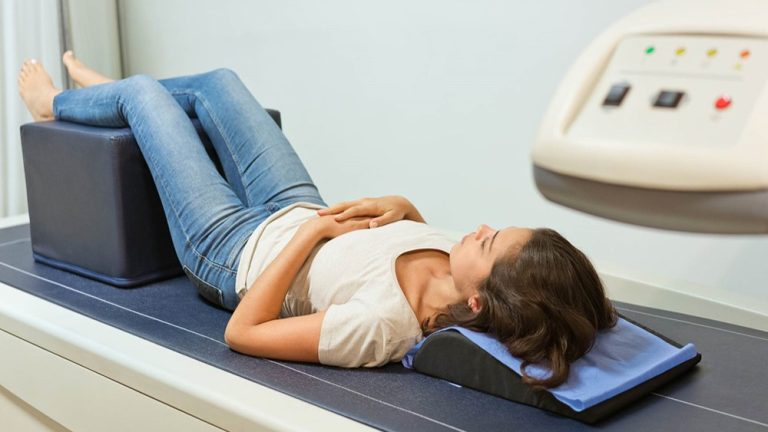
Most women notice that the scale still reflects the balance of protein intake, muscle-preserving training, recovery, and blood sugar management. Objective body composition testing, such as a DEXA scan, is the best way to see whether fat and lean mass are moving in the right directions. If you want a precise read on fat, muscle, and visceral fat, consider a DEXA scan at GenAge Center in Grand Rapids through our body composition program.
The metabolism formula that still matters
- Strength training: Aim for 2 to 4 days per week of progressive resistance work. Focus on compound movements, and track loads and reps.
- Protein: Most midlife women do better with protein targets of roughly 1.2 to 1.6 g per kilogram per day, adjusted to your health status. Distribute protein across meals to support muscle protein synthesis.
- Insulin sensitivity: Emphasize fiber-rich carbs, prioritize walking after meals, and address snacking that drives glucose swings. If appropriate, ask about insulin resistance testing to guide a targeted plan.
- Sleep and stress: Seven or more hours of consistent sleep, morning light, and a wind-down routine help tame cortisol rhythms that can increase cravings and belly fat.
For objective tracking, schedule a DEXA body composition scan at GenAge Center in Grand Rapids so you can confirm you are losing fat while maintaining or gaining lean mass.
Timelines and what improvement looks like
- Symptom relief: Many women notice better sleep and fewer hot flashes within 2 to 6 weeks; mood and cognitive clarity often improve over 1 to 3 months; vaginal symptoms may need local therapy and can improve in weeks.
- Body composition: With training and protein, DEXA trends often improve across 8 to 12 weeks, then continue over months.
- Follow-ups: A common cadence is baseline labs and exam, a 6- to 8-week recheck to assess symptom response and estradiol/progesterone levels if indicated, then maintenance visits every 6 to 12 months. Dose adjustments are common in perimenopause.
There is no fixed stop date for HRT. Duration is individualized and revisited annually to confirm the lowest effective dose and optimal route.
Safety, side effects, and monitoring
No therapy is risk-free. A clinician will review your cardiovascular risk factors, blood pressure, migraine history, personal and family history of breast cancer and blood clots, and other conditions. Transdermal estradiol is often preferred for lower clot risk compared with oral estrogen in many scenarios. If you have a uterus, pair systemic estrogen with progesterone to protect the endometrium.
Possible side effects include breast tenderness, bloating, skin irritation with patches, mood changes, or spotting during dose adjustments. These typically improve as dosing is fine-tuned. Safety monitoring includes periodic blood pressure checks, breast screening per guidelines, and labs targeted to your plan.
What to avoid while using estradiol
- Smoking: Increases clot and cardiovascular risk. Stopping improves safety.
- Interacting drugs: Certain anti-seizure medications, rifampin, and some HIV therapies can alter hormone metabolism. Always review your full medication and supplement list with your clinician.
- Herbal supplements with estrogenic or anticoagulant effects: Black cohosh, St. John’s wort, and high-dose turmeric or ginkgo can interact. Use only under guidance.
- High heat on patches: Direct heat from saunas, hot tubs, heating pads, or intense sun on the patch area can increase absorption unpredictably. Secure patches on cool, clean skin and rotate sites.
- Grapefruit: Can affect drug metabolism in some contexts; ask your clinician whether to limit it based on your regimen.
- Unvetted compounded sources: Quality and dosing consistency vary. Discuss options and choose evidence-supported, reliable formulations.
Myths to retire
- Myth: HRT causes automatic weight gain. Reality: Many women stabilize or improve body composition when HRT is paired with training, protein, and sleep. Water shifts early on can transiently change scale numbers.
- Myth: HRT is only for hot flashes. Reality: Benefits include sleep, mood, vaginal health, bone density, and possibly metabolic support when used appropriately.
- Myth: There is a hard stop at a certain birthday. Reality: Duration is individualized and reviewed annually.
Practical steps to support results
- Train on a plan, not vibes. Log lifts, aim for progressive overload, and add conditioning that you recover from.
- Eat protein first at meals, add colorful plants and fiber, and hydrate enough to support recovery and appetite control.
- Walk after dinner, limit alcohol, and keep a consistent sleep window.
- Use data. DEXA plus targeted labs turn guesses into decisions. If you want objective guidance, explore a metabolic health program at GenAge Center in Grand Rapids that integrates nutrition, strength, and testing.
FAQ
Does HRT help with weight loss?
HRT does not directly cause fat loss, but it can reduce symptoms that derail sleep, training, and appetite control. Many women see better body composition when combining HRT with strength training, adequate protein, and blood sugar management.
What are the drawbacks of bioidentical hormones?
The main considerations are individualized risk, potential side effects like breast tenderness or spotting, and the need for ongoing monitoring. Transdermal estradiol and oral micronized progesterone have strong safety data when used appropriately. Compounded products can have dosing variability, so quality control matters.
How long can a woman stay on bioidentical hormones?
There is no universal cutoff. Duration depends on symptoms, risk profile, and preferences, and is revisited at least annually to confirm the lowest effective dose and route.
What are the first signs that HRT is working?
Fewer hot flashes and night sweats, better sleep continuity, steadier mood, improved vaginal comfort, and clearer thinking. Energy and exercise tolerance often improve over weeks to months.
What should I avoid while using estradiol?
Smoking, unreviewed supplements and medications that interact, high heat applied over patches, and unreliable hormone sources. Always share your full medication and supplement list with your clinician.
Finding care and taking the next step
If you are comparing options for women’s hormone therapy in Grand Rapids and want data-first care, start with a baseline that includes labs and DEXA. For objective body composition and bone insights, learn about DEXA scans at GenAge Center through our body composition page. If you are ready to move from symptoms and guesswork to a tailored plan, book the Hormone Baseline Special.