
If you are wondering whether you might be “too old” for HRT, you are not alone. The real answer is not based on age alone. It depends on your symptoms, overall health history, how long it has been since menopause began, and what you want to achieve in this next phase of life.
At GenAge, we focus on personalized, evidence-based care that meets you where you are and supports how you want to feel moving forward.
Safety first, with real monitoring
Safe HRT is not a one-time prescription. It is a process. Expect a baseline assessment, including medical history, blood pressure, weight, and body composition, and labs that may include estradiol, progesterone, thyroid markers, lipids, A1c or fasting glucose, and inflammation markers, as indicated. Ongoing monitoring typically includes repeat labs at 8 to 12 weeks after starting or changing a dose, then every 6 to 12 months once stable, plus check-ins about symptoms, sleep, mood, bleeding patterns, and side effects.
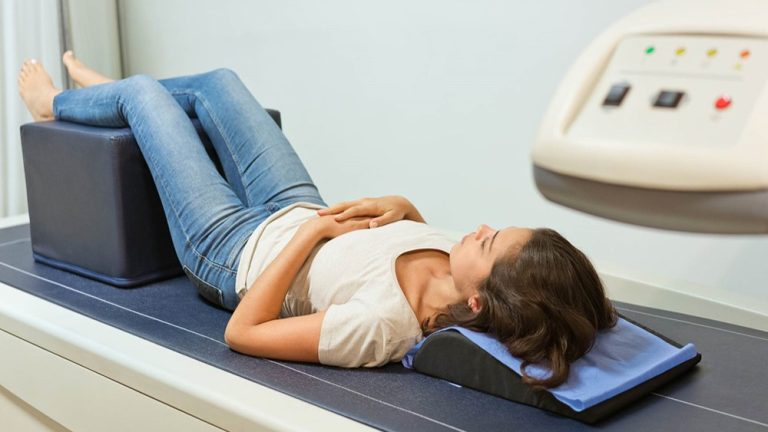
Bone health and metabolic risk also matter. A DEXA scan can assess bone density and visceral fat risk, which may influence your plan. If you are local and want objective baseline data, consider a DEXA scan in Grand Rapids.
Does HRT cause weight gain or help with weight loss?
Short answer: HRT is weight-neutral for many women. It does not cause significant weight gain for most people when properly dosed and monitored. Some women notice less water retention and fewer nighttime awakenings, which can indirectly support weight control by improving sleep and activity consistency. A minority may experience fluid shifts or appetite changes early on, which usually resolve with a dose adjustment or time.
How long can a woman stay on bioidentical hormones?
There is no fixed maximum for everyone. Many women use HRT for several years to manage vasomotor symptoms, then taper when symptoms naturally decline. Others continue longer for persistent sleep or urogenital symptoms, or for bone protection if risks and benefits remain favorable. The right duration is the one that balances symptom relief with safety, assessed annually. If you stay on HRT, you should have periodic trials to see if symptoms remain without it, and you should continue routine cancer screenings and cardiovascular risk reviews.
What to expect at GenAge: testing, timelines, and follow-ups
- Initial visit: We review your health history, symptoms, goals, and current medications. We outline a testing plan and discuss options, including non-hormonal tools, HRT routes and doses, and lifestyle steps.
- Labs and baselines: We order targeted labs and recommend body composition or bone density assessments as appropriate. Many patients like starting with data that informs dosing and tracks progress over time.
- Personalized plan: Once results return, we build a plan together. If HRT is appropriate, we choose a route that matches your risk profile and preferences, for example, estrogen patch with oral micronized progesterone if you have a uterus. We set safety guardrails and follow-up dates.
- Timelines: Some improvements, like fewer night sweats and better sleep, may appear within 2 to 6 weeks. Mood and cognition often follow over 6 to 12 weeks. Body composition and bone markers change more slowly, typically over months. We will not promise guaranteed outcomes, but we will measure and adjust to move you toward your goals.
- Monitoring: We repeat labs 8 to 12 weeks after changes, then space out follow-ups once stable. We reassess annually to confirm that benefits still outweigh risks.
A local, supportive next step
If you are in Ada, East Grand Rapids, Forest Hills, or nearby, our physician-led team at GenAge Center can help you decide if and how HRT fits into your plan, and how to pair it with sleep, stress, nutrition, and strength strategies for long-term health.
Ready to get personalized guidance? Schedule a consultation to discuss Hormone Replacement Therapy, testing, and your goals. You can also call 616-737-1710 with questions or to book a visit.