
If you are feeling worn out, foggy, or not quite yourself, your hormones may be part of the story. Bioidentical Hormone Replacement Therapy, often called BHRT, is a personalized approach that can help restore balance so you can think clearly, feel steady in your mood, and show up with dependable energy.
October is World Menopause Month, a timely moment to learn your options, understand testing, and decide if a supervised plan is right for you. If you live in Ada or the Greater Grand Rapids area, GenAge Center provides physician-directed BHRT with comprehensive diagnostics and ongoing follow up to keep your plan safe and effective.
What “Bioidentical” Means, and Why It Matters
Bioidentical hormones are compounds with the same molecular structure as the hormones your body produces. That structural match allows them to bind to the same receptors and act in familiar ways. In practice, this can support more predictable responses and easier dose adjustments compared with some synthetic versions.
BHRT can include estrogen and progesterone for women, testosterone for men and women when indicated, and support for other hormones when clinically appropriate.
BHRT is not a one-size-fits-all plan. Your symptoms, health history, and lab results help determine whether hormone therapy is appropriate, which hormones to consider, and how to deliver them.
Who May Benefit
You might consider BHRT if you are experiencing one or more of the following:
-
Perimenopause or menopause symptoms such as hot flashes, night sweats, sleep disruption, vaginal dryness, or mood changes
-
Andropause in men, often noticed as reduced drive, lower strength, slower recovery, or decreased libido
-
Persistent fatigue, brain fog, and swings in mood that do not improve with sleep or basic lifestyle changes
-
Changes in body composition, for example muscle loss or increasing central fat, that resist your usual efforts
Hormones influence nearly every system, including brain, muscle, bone, and cardiovascular health. When hormones decline or fall out of balance, you feel it in daily life.
How to Find Out If You Need Hormone Replacement Therapy
Start with a focused conversation and objective data. At GenAge Center, the path is straightforward:
-
Consult. You meet with a physician to review symptoms, health history, medications, and your goals.
-
Labs. We order comprehensive hormone testing, often including estradiol, progesterone, testosterone, sex hormone binding globulin, DHEA, thyroid markers, and relevant metabolic and cardiovascular labs. For selected cases we add cortisol or other advanced testing based on your history.
-
Plan. We build a personalized plan that may include BHRT plus lifestyle updates for sleep, nutrition, training, and stress.
-
Monitor. We reassess symptoms and repeat labs at defined intervals, then adjust doses to maintain benefits while minimizing risk.
If your labs and clinical picture show that hormones are within optimal ranges, we will discuss alternatives and monitor over time. If imbalances are present, we will explain your options clearly and proceed only if BHRT is likely to help.
The Safest Hormone Replacement Therapy Is the One That Fits You
Safety is not just about the molecule. It is about matching the right therapy to the right person, using the lowest effective dose, selecting an appropriate route, and monitoring consistently. Examples include:
-
Estrogen with micronized progesterone for women with a uterus to protect the endometrium
-
Transdermal estrogen options for many women, which can support a favorable cardiovascular risk profile in appropriate patients
-
Testosterone replacement for men with clear clinical and laboratory evidence of deficiency, with careful monitoring of hematocrit, lipids, prostate health, and symptom response
At GenAge Center, risk stratification is standard. We review your personal and family history, evaluate your baseline cardiovascular and metabolic risk, and select therapies accordingly. We also time follow up labs and visits to adjust doses before small issues become big ones.
Creams, Patches, Injections, and Pellets, Explained
BHRT can be delivered in several ways. No single method is best for everyone.
-
Creams or gels: Applied to the skin; allow flexible dosing and easy adjustments.
-
Patches: Provide steady delivery and are convenient for many women using estrogen.
-
Injections: Often used for testosterone; can offer reliable levels with weekly or biweekly dosing.
-
Pellets: Small implants placed under the skin that release hormone over months, useful for those who prefer less frequent dosing.
Your daily routines, travel, skin sensitivity, and response to therapy all inform the choice. We often start with a form that is easy to adjust, then consider longer acting options once your dose is dialed in.
Can Your Primary Care Doctor Prescribe HRT, and Is It Worth Seeing a Hormone Specialist?
Many primary care clinicians can and do prescribe HRT. If your symptoms are straightforward and you are responding well, primary care may be sufficient.
It can be worth seeing a hormone specialist if any of the following apply:
-
Your symptoms are complex or persist despite treatment
-
You have significant risk factors that warrant closer monitoring
-
You want a deeper evaluation of related issues such as thyroid function, cortisol patterns, or metabolic health
-
You prefer an integrated plan that includes testing; nutrition, sleep, and training guidance; and structured follow up
At GenAge Center, physician oversight and frequent touchpoints are built into care. We coordinate diagnostics and follow up for clients from Ada and Greater Grand Rapids, and we keep your primary care informed with your permission.
What to Expect With GenAge Center
Here is how your BHRT journey typically unfolds:
Step 1: Consult. We listen to your story, answer questions, and outline a testing plan.
Step 2: Labs. You complete comprehensive bloodwork and any targeted tests we recommend.
Step 3: Personalized plan. We review results together and map a BHRT approach that fits your goals, including dose, route, and supportive lifestyle actions.
Step 4: Monitoring. We check in, repeat labs, and adjust your plan so benefits are durable and side effects stay low.
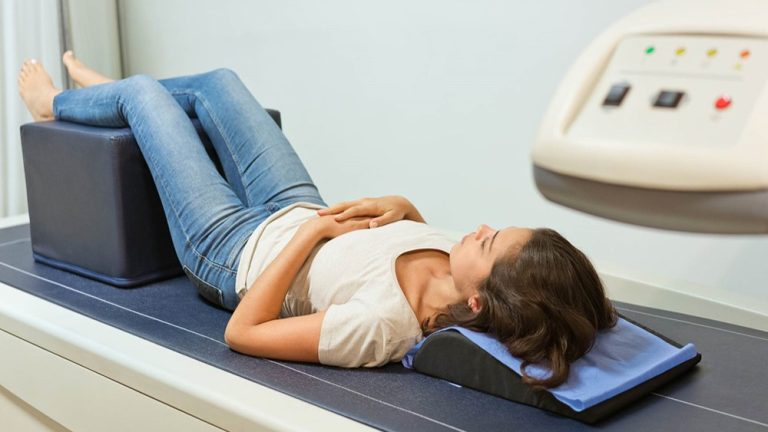
We may also recommend body composition testing to track lean mass and bone health. If that fits your goals, you can learn about our DEXA scan Grand Rapids options to quantify muscle, fat distribution, and bone density over time.
Local Care, Long-Term Support
GenAge Center is based in Ada and serves the Greater Grand Rapids community with physician-directed BHRT, comprehensive lab testing, and data-driven follow up. Whether your goal is more reliable energy, clearer thinking, or better training recovery, our approach ties daily outcomes to long-term health.
If you are exploring menopause treatments in Grand Rapids or considering testosterone optimization, we will help you weigh benefits and risks, choose a route that fits your life, and keep close tabs on your progress.
Key Takeaways and Next Steps
-
Bioidentical hormones match the structure of your natural hormones and can be used to relieve symptoms and support brain, bone, and metabolic health when indicated.
-
The need for HRT is best determined by a clinical evaluation plus labs, followed by a personalized plan.
-
Safety comes from the right patient, the right dose, the right route, and consistent monitoring.
-
Primary care can prescribe HRT, and a specialist adds value when symptoms are complex or when you want integrated, physician-led care.
If you are ready to start, book a consultation at GenAge Center to begin testing and design a tailored BHRT pathway. Restore balance. Reignite vitality.