If you are entering your 40s and want to stay strong, mobile, and energetic, you are not alone. Age-related muscle loss, known as sarcopenia, can begin as early as your 30s and accelerate in your 40s and 50s. The good news: resistance training, targeted nutrition, and smarter recovery habits can slow or reverse much of that decline.
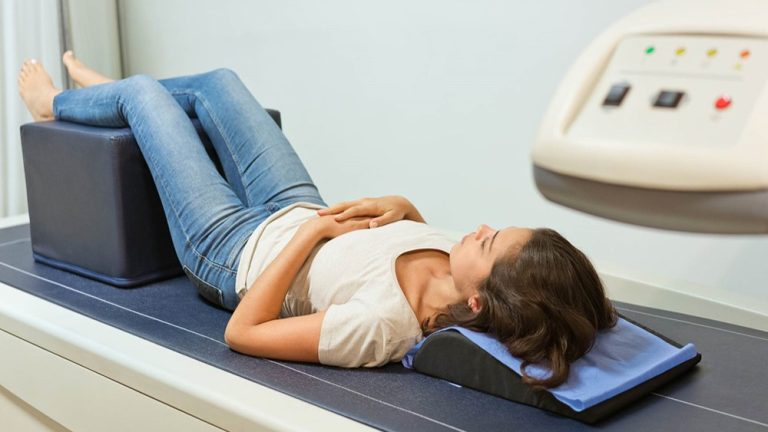
This guide brings the essentials together, then shows how Dual-Energy X-ray Absorptiometry (DEXA) scans confirm you are building lean mass while protecting bone. DEXA scan is one of the most accurate methods for determining lean body mass composition. We will also touch on how hormones and metabolism interact with your training results, and how a consistent, quarterly assessment model keeps you progressing.
Now is a timely moment to focus on your strength and hormone health. If you are in the Greater Grand Rapids area, GenAge Center pairs training, nutrition, and physician-led testing to create measurable, sustainable gains.
Why muscle matters after 40
Sarcopenia reduces strength, power, and insulin sensitivity. That combination raises your risk of falls, fatigue, and stubborn midsection fat. Rebuilding and preserving lean mass changes the equation. Stronger muscles improve balance and joint stability, support healthy blood sugar, and keep you capable for the activities you care about.
A practical target is to add or preserve 0.5 to 1.0 pound of lean mass per month during focused phases, recognizing that results vary by training age, sleep, stress, and hormone status. Objective testing helps you see what is working and where to adjust.
Progressive resistance training that works
If you have not lifted consistently, you can build meaningful strength with 3 sessions per week focused on multi-joint patterns. Think squat, hinge, push, pull, and carry. Start with controlled tempo and full ranges of motion before loading heavy.
- Choose 4 to 6 movements per session. Example: goblet squat, hip hinge or Romanian deadlift, push-up or dumbbell press, row, split squat, and a loaded carry.
- Do 2 to 4 sets of 6 to 12 reps per move; rest 60 to 120 seconds.
- Progress one variable at a time: slightly more weight, more total reps, or an extra set. Aim for 1 to 2 small progressions each week.
Add 1 to 2 short conditioning sessions focused on brisk walking, cycling, or easy jogging in heart-rate zones that let you talk comfortably. Your cardiovascular training should support recovery, not compete with strength gains.
Bone health and strength training
Can exercise improve bone density? Yes, weight-bearing and impact activities signal your skeleton to remodel. Resistance training that progressively loads the hips, spine, and wrists is especially helpful. Movements like squats, deadlifts, step-ups, and overhead presses, performed with good form and gradual loading, support bone strength. Adequate protein, calcium, vitamin D, and attention to hormones add critical support.
Quick FAQ
- Can exercise improve bone density? Yes. Progressive, weight-bearing exercise typically supports bone remodeling; pair it with adequate protein, calcium, vitamin D, and hormone evaluation as needed.
- Is a DEXA scan worth it? For tracking lean mass, visceral fat, and bone health, many people find DEXA’s precision worth the investment because it guides targeted changes.
Summary and next step
Strength after 40 is absolutely within reach. A simple plan grounded in progressive resistance training, adequate protein, creatine basics, and thoughtful recovery can add lean mass and protect your bones. DEXA scans turn guesswork into clear direction, while hormone and metabolic insights keep your effort efficient.
If you are in the Greater Grand Rapids area and want a physician-directed plan that pairs testing with training, explore DEXA options in Grand Rapids or connect with our team to build your quarterly assessment plan.