At GenAge Center, we often remind patients that even as hormones shift, daily habits still have a powerful impact on health. Midlife physiology responds best when you focus on a few clear priorities:
- Fight against Age-Related Muscle Loss
- Mature Eating
- Sleep and Stress Support
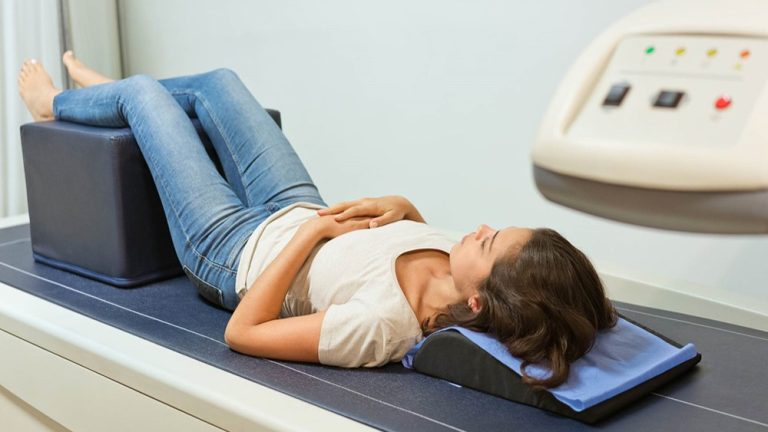
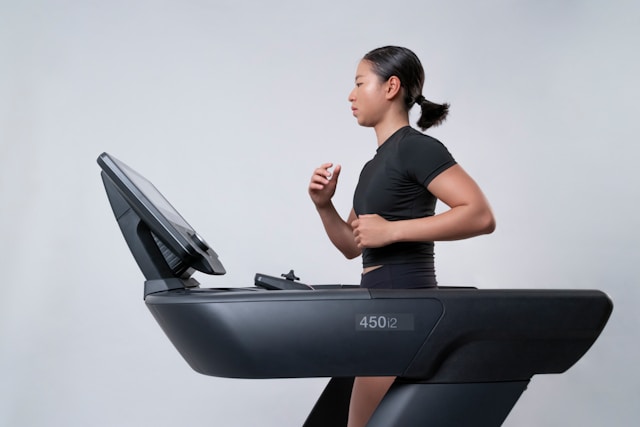
- Track progress with data such as our DEXA Scan, RMR, and VO2 Max testing.
If you are looking for physician-guided support that brings all of these elements together, visit GenAge Center and explore a comprehensive metabolic health and weight management program in Grand Rapids.
When Hormone Replacement Therapy may help with weight changes
Hormone Replacement Therapy (HRT) can reduce symptoms like hot flashes, sleep disruption, and mood swings. By improving sleep and overall well-being, HRT can indirectly support weight management efforts and help limit central fat gain that often follows menopause.
A few key points:
- Understand the indirect impact: HRT is not designed as a primary weight loss treatment. When weight loss does occur, it’s often the result of improved sleep, increased activity, and the ability to maintain healthier eating habits.
- Start with the lowest effective dose: A personalized approach, including appropriate dosing, route of administration, and ongoing monitoring, helps optimize results while maintaining safety.
- Support with lifestyle strategies: Strength training, adequate protein intake, and effective stress and sleep management play a significant role in shaping body composition outcomes.
If you are mainly seeking objective feedback on fat versus muscle change during therapy, a DEXA scan in Grand Rapids can make early improvements visible and actionable.
Safety, shared decision-making, and personalization at the GenAge Center
Safety starts with ensuring you’re a good candidate, the dose is appropriate, and the treatment approach is appropriate. It continues through regular follow-ups and careful consideration of each patient’s preferences and risk factors.
At GenAge Center, the process is straightforward. It begins with lab testing and consultation, followed by a personalized care plan designed around your goals and health profile. From there, the GenAge Center care team monitors progress and makes adjustments as needed. When appropriate, GenAge Center coordinates with your primary care provider and focuses on measurable outcomes you can both see and feel.
For those looking to combine hormone care with structured nutrition and exercise support, physician-led programs at GenAge Center may be worth exploring. Their Grand Rapids–based weight loss program integrates advanced testing, regular check-ins, and personalized lifestyle guidance to support long-term results.
How to know whether HRT is working
Early signs often include fewer hot flashes and night sweats, better sleep quality, improved mood and mental clarity, steadier energy, and easier recovery from exercise. Body composition changes tend to follow as sleep and training improve. Retesting labs and using objective tools like DEXA every few months can confirm progress and inform dose adjustments.
Frequently asked questions
- Does HRT help with weight loss? HRT is not a direct weight loss therapy, but it can reduce symptoms that interfere with sleep, exercise, and appetite regulation. Many women find it easier to maintain or improve body composition when symptoms are controlled.
- Does HRT cause weight gain? Most studies do not show significant weight gain from appropriately dosed HRT. Some women notice temporary fluid shifts early on, which typically settle as dosing is refined.
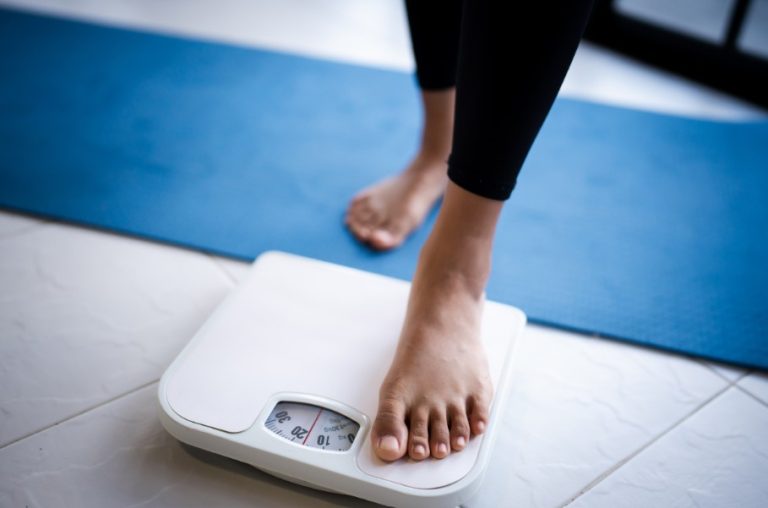
- Why am I gaining weight on bioidentical hormones? If weight increases during therapy, common reasons include fluid retention during dose changes, insufficient protein or strength training, unresolved insulin resistance, high stress with poor sleep, or a dose that needs reassessment. Discuss these with your clinician, review labs, and consider body composition testing rather than relying only on the scale.
- What are the symptoms of hormonal imbalance in females? Hot flashes, night sweats, irregular or absent periods, sleep difficulty, unexplained weight gain, mood swings, brain fog, low libido, vaginal dryness, new belly fat, fatigue, and changes in hair or skin. Thyroid-related symptoms can include cold intolerance, constipation, and slowed heart rate.
- How long does it take to lose weight on HRT? There is no set timeline. If symptoms improve within weeks to a few months, and you pair HRT with a structured nutrition and training plan, body composition may trend in a positive direction over subsequent months. Progress varies by baseline health, sleep, and consistency.
- Is it worth seeing a hormone specialist? If you have persistent symptoms, complex history, or mixed lab findings, a specialist can add value with comprehensive testing, nuanced dosing, and integrated lifestyle support.
Next steps for residents near Ada and Greater Grand Rapids
If you are noticing midlife changes and want a clear, personalized path, schedule a consult at GenAge Center. Your plan can include comprehensive labs, symptom-guided HRT when appropriate, a structured, mature eating plan, and periodic DEXA to track real progress. To get started, explore testing and programs on our site, including options for hormone testing and therapy in Grand Rapids and guided weight and metabolic support.