Protein, Creatine, and Smart Fueling
Protein drives muscle repair. A practical daily target for many adults over 40 is 1.6 to 2.2 grams per kilogram of body weight, spread across 3 to 4 meals. Focus on high-quality sources such as eggs, Greek yogurt, fish, poultry, lean beef, tofu, tempeh, and beans. If appetite is low, a whey or plant-based shake can help you hit your numbers without overfilling your stomach.
Creatine monohydrate is one of the most studied performance supplements. Typical use is 3 to 5 grams daily. It can support strength, lean mass, and high-effort efforts, and it is generally well tolerated; as with any supplement, talk with your clinician if you have kidney issues or are on medications.
Round out your plan with carbohydrate timing to fuel training. A piece of fruit, oatmeal, or rice an hour or two before lifting, plus a protein-forward meal afterward, usually covers the bases.
If you want structured nutrition coaching aligned to your strength goals, GenAge Center offers physician-led weight and metabolic programs that include Registered Dietitian support. Learn more about our nutrition and weight services for the Grand Rapids area on our weight management page.
Sleep, Stress, and Recovery
Muscle is built when you recover. Adults typically benefit from 7 to 9 hours of sleep. A regular bedtime, a cool, dark room, and a screen wind-down at least 60 minutes before bed can improve sleep quality. For stress, brief daily practices such as breathing drills or a 10-minute walk after dinner help shift your nervous system toward recovery.
Therapeutic massage can support mobility, reduce muscle tension, and improve comfort between sessions. If you are local and wondering whether medical massages are worth it, our licensed massage therapists use clinical techniques focused on function and recovery. Explore our medical massage services in Grand Rapids to see how sessions are structured.
How DEXA verifies progress
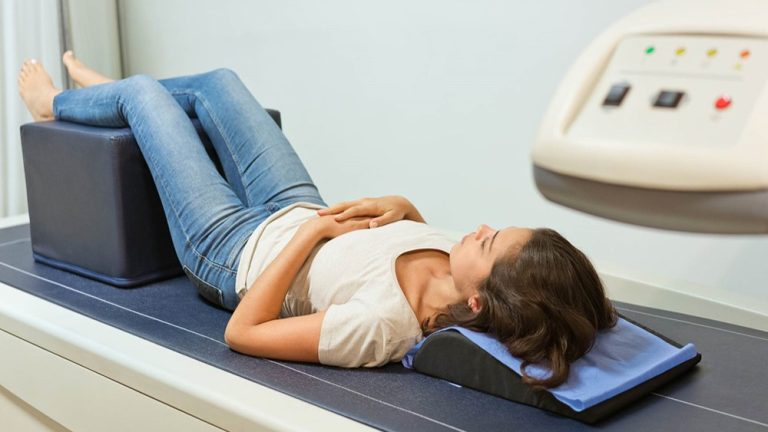
DEXA body composition scans quantify lean mass, fat mass, and bone mineral density, including visceral fat around the organs. For athletes and adults rebuilding muscle, that precision matters. You can confirm that a few pounds gained are mostly muscle, not fat, and see whether bone density is holding steady.
- Is a DEXA scan worth the money? If your goal is to gain muscle, reduce visceral fat, or track bone health, the ability to measure change objectively is valuable. Many clients find the clarity speeds up decision-making and reduces guesswork.
- What is the most accurate test for body composition? DEXA is widely considered a leading clinical standard for body composition and bone density because it distinguishes lean tissue from fat and assesses regional patterns. Bioimpedance and skinfolds can be useful in a pinch, but DEXA is typically more precise.
- How often should you get a DEXA scan? At GenAge Center, we commonly reassess at about six months. That allows enough time to build measurable lean mass and refine your training and nutrition based on real data. Some performance blocks warrant a three-month check; your care team can advise.
If you are nearby, our page on DEXA scans in Grand Rapids explains what a scan includes and how we interpret results with you.
Hormones, Metabolism, and Midlife Muscle
As estrogen and testosterone levels shift in midlife, many people experience slower recovery, decreased drive, and changes in body composition. Getting objective labs, aligning your nutrition, and optimizing sleep and stress can often help restore momentum. In some cases, Hormone Replacement Therapy (HRT) may be appropriate under physician supervision to address clear deficiencies or persistent symptoms. At GenAge Center, we tailor therapy to the individual, use the lowest effective dose, and monitor labs and symptoms over time.
If you want to better understand how hormones impact your training, our physician-directed approach combines hormone testing, DEXA scans, and targeted, personalized plans. Residents in Ada, East Grand Rapids, and Forest Hills can begin with an initial consultation and receive a customized plan through our membership packages.
Quick FAQ
- What is the most accurate body composition test? DEXA is commonly the clinical reference for body composition and bone density; other methods are useful but usually less precise.
- Are medical massages worth it? When delivered by licensed therapists, medical massage can improve mobility, circulation, and comfort, which supports training consistency and recovery.
- How often should you get a DEXA scan? About every six months is typical for tracking meaningful body composition changes; your timeline may vary based on goals and programs.
Summary and next step
Don’t let age-related muscle loss discourage you. Strength after 40 is absolutely within reach. A simple plan grounded in progressive resistance training, adequate protein, creatine basics, and thoughtful recovery can add lean mass and protect your bones. DEXA scans turn guesswork into clear direction, while hormone and metabolic insights keep your effort efficient.
If you are in the Greater Grand Rapids area and want an in person physician-directed plan that pairs testing with training, explore DEXA, RMR, and VO2 options in Grand Rapids or connect with our team to build your quarterly assessment plan at 616-737-1710.