If you are in your 40s, 50s, or 60s, 70s, 80s, bone strength is not a nice-to-have. It is a major pillar of staying active, independent, and fracture-free for decades. The good news is that bones respond to what you do most days. With the right stimulus and nutrients, you can build or maintain density and reduce fall risk.
Summer activity offers a perfect on-ramp. Longer days and better weather make it easier to add walks, hikes, and short strength sessions. A smart start now sets you up for stronger bones by fall.
This guide gives you a clear blueprint: how bone changes at midlife, what training drives gains, how to eat for bone remodeling, where Hormone Replacement Therapy (HRT) fits, and how to use DEXA testing and T-scores to personalize your plan.
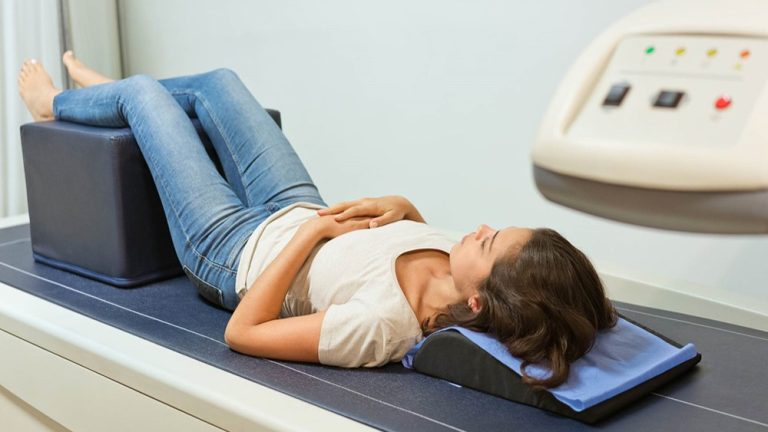
A DEXA (Dual-Energy X-ray Absorptiometry) scan is a quick, non-invasive assessment that provides a detailed picture of your body composition and bone health. In just 10–15 minutes, the scan measures your body fat percentage, lean muscle mass, visceral (abdominal) fat, and bone mineral density using a very low dose of X-ray technology.
What you’ll learn:
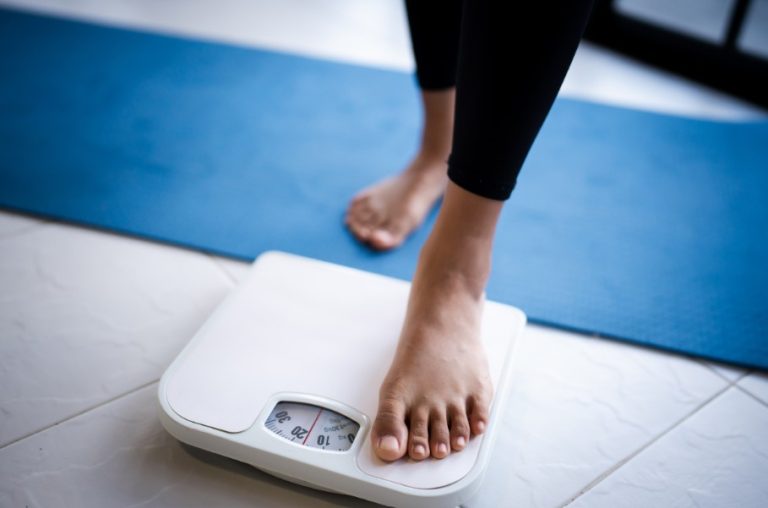
- Total body fat percentage
- Lean muscle mass distribution
- Visceral (abdominal) fat levels
- Bone mineral density and bone health
- Personalized data to track progress and guide nutrition, fitness, and overall wellness
Why bone changes at midlife
Estrogen influences bone turnover. In perimenopause and after menopause, estrogen declines and the balance shifts toward bone breakdown. Men also experience gradual hormonal shifts that can accelerate bone and muscle loss. The result can be lower bone mineral density, more porous bone architecture, and a higher fracture risk, especially at the hip, spine, and wrist.
Two levers reliably help:
- Mechanical load that signals bones to remodel and thicken
- Adequate building blocks and recovery so that remodeling produces gains instead of losses
The training that actually builds bone
Bones adapt to force. Resistance training and impact loading apply that force in ways that stimulate osteoblast activity.
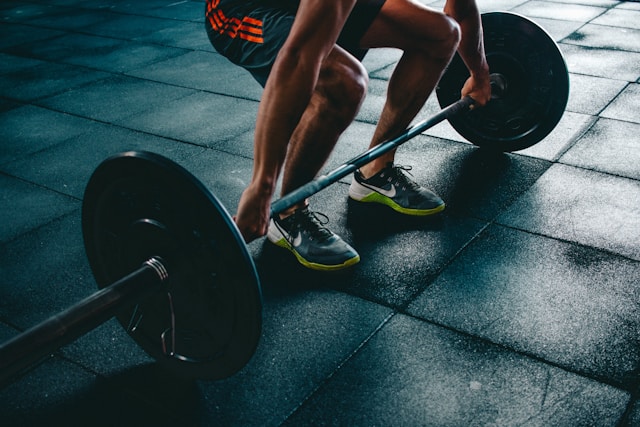
- Progressive resistance training: 2 to 4 sessions per week focused on major movement patterns. Work in the 6-to-12 rep range, add weight or reps weekly, and emphasize compound lifts.
- Impact loading: short, controlled exposures such as step-downs, low box jumps, jump rope, or brisk downhill walks can be appropriate for many. If you have low bone density or joint issues, consult with your doctor for a personalized plan.
- Balance and posture: add single-leg work, heel-to-toe walks, and thoracic mobility to reduce fall risk and protect the spine.
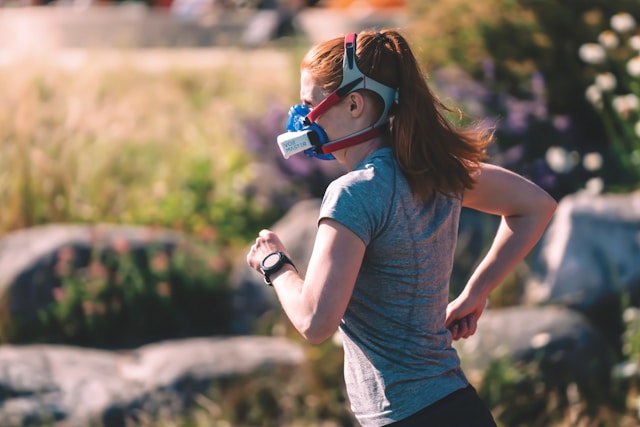
- Daily movement: brisk walking, hiking with poles, and stair climbs help, especially when paired with strength work.
Important: if you have diagnosed osteoporosis or a history of fractures, consult with your doctor for a personalized plan.
Helpful tips to get you started:
Nutrition that fortifies bone
Bones are living tissues that need raw materials. Target these daily anchors:
- Protein: 1.0 to 1.2 grams per kilogram of body weight per day for most midlife adults, and up to 1.6 g/kg if you are trying to gain muscle. Distribute over 3 to 4 meals with 25 to 40 grams each to support muscle and bone remodeling.
- Calcium: typically 1,000 to 1,200 mg per day from food and supplements combined. Dairy, calcium-set tofu, sardines with bones, leafy greens, and fortified alternatives are solid sources.
- Vitamin D: often 1,000 to 2,000 IU per day for maintenance, but needs vary by sun exposure and labs. Ask your clinician to check 25(OH)D.
- Vitamin K2: supports calcium placement in bone. Common supplemental ranges are 90 to 200 mcg daily, often as MK-7. Discuss with your provider if you take anticoagulants.
- Magnesium: often 300 to 400 mg per day from food and supplements combined aids bone formation and sleep quality.
- Whole-food pattern: emphasize lean proteins, high-fiber plants, and omega-3-rich foods. Hydrate well.
Alcohol and smoking blunt bone formation. Limit alcohol to light or moderate intake and seek support to stop smoking. Sleep seven or more hours nightly, since bone building happens during deep sleep.
Do vitamins help bone density?
Key vitamins and minerals that support bone density: vitamin D, vitamin K2, calcium, magnesium, and adequate protein. They work best alongside progressive resistance training and impact. Supplements fill gaps but are not substitutes for loading the skeleton.
Can exercise improve bone density?
Yes. Resistance training and appropriate impact loading increase mechanical strain that signals bones to remodel and strengthen. The effect is site-specific, so include lower body, spine, and upper body loading. Consistency over months matters most.
Hormone Replacement Therapy (HRT), weight, and bone
HRT can reduce the rate of bone loss in perimenopause and early postmenopause, and for some women, it helps maintain or improve bone mineral density at the spine and hip. Whether to use HRT is individualized based on age, timing from the last period, symptoms, medical history, and risk profile. It is one tool among many that include training, nutrition, and fall prevention.
Does HRT help with weight loss? HRT is not a weight-loss medication. Some women notice easier weight management due to improvements in sleep, hot flashes, and mood, which can support better training and nutrition habits. Body composition changes vary by person and should not be promised.
When should a woman start HRT? Many guidelines consider women who are symptomatic and within 10 years of menopause onset, or younger than 60, as potential candidates, but studies are showing that HRT can help older adults as well when benefits outweigh risks. Start only after a clinician reviews your history, goals, and labs, and continue with periodic follow-up.
For local, clinician-guided options and a conversation about timing, residents seeking women’s hormone therapy in Grand Rapids can learn more through our team’s evaluation process.
How DEXA and T-scores guide a personalized plan
A DEXA bone density scan measures bone mineral density and compares it to a healthy young reference population as a T-score:
- Normal: T-score of -1.0 or higher
- Osteopenia: between -1.0 and -2.5
- Osteoporosis: -2.5 or lower
Your T-scores help define training intensity, whether impact is appropriate now, and how closely to track nutrition and fall risk. For example, someone with osteopenia might progress to low-impact jumping after several weeks of foundational strength, while someone with osteoporosis may focus on loaded carries, squats to a box, and posture work without jumping.
In Grand Rapids and the Ada area, you can schedule a DEXA scan to establish your baseline at the GenAge Center and get a clear plan. If you are ready to pair training and nutrition with objective data, consider booking a DEXA scan in Grand Rapids to assess bone density and track progress.
When to retest with DEXA
Bone remodeling is slow. For bone density, retesting every 12 to 24 months is common unless there is a major therapy change or new fracture. For body composition changes that support bone health, many people repeat every 8 to 12 weeks during active training blocks to confirm they are preserving or gaining lean mass while reducing fat.
If you live near Ada, Forest Hills, or East Grand Rapids, our team offers DEXA body composition scans and bone density assessments with results explained in plain language.
Quick FAQ
- How can I increase bone density?
-
-
- Combine progressive resistance training, appropriate impact, and balance work with adequate protein, calcium, vitamin D, vitamin K2, and magnesium. Sleep well, moderate alcohol, and avoid smoking. Consider HRT when clinically appropriate.
-
- What vitamins help bone density?
-
-
- Vitamin D, vitamin K2, and minerals like calcium and magnesium are central. They work best with strength training and good sleep.
-
- Can exercise improve bone density?
-
-
- Yes. Strength training plus impact loading increases bone formation, especially at the hips and spine, when progressed safely.
-
- Does HRT help with weight loss?
-
-
- HRT is not a weight-loss drug. It may indirectly support weight management by improving sleep and other symptoms, but effects vary.
-
- When should a woman start HRT?
-
- Decisions depend on your health history, age, and goals.
Summer is a great time to start
If you are already walking or hiking more, layer in two short strength sessions and a daily calcium and protein check. Small steps compound quickly when they are consistent.
Residents of Ada and Greater Grand Rapids can get objective guidance close to home. If you want a baseline and a clear plan, book a DEXA scan in Grand Rapids, or explore our physician-led wellness programs in Forest Hills to pair training, nutrition, and follow-up testing.
Next step
Strengthen your plan with data and support. Schedule a DEXA body composition test in Forest Hills and an initial consultation to tailor training and nutrition to your T-scores and goals. Call 616-737-1710 or visit GenAgeCenter.com to get started.